
 Business
Major streaming services launch AI search tools and 4K sports to enhance viewer engagement

 April 12, 2026
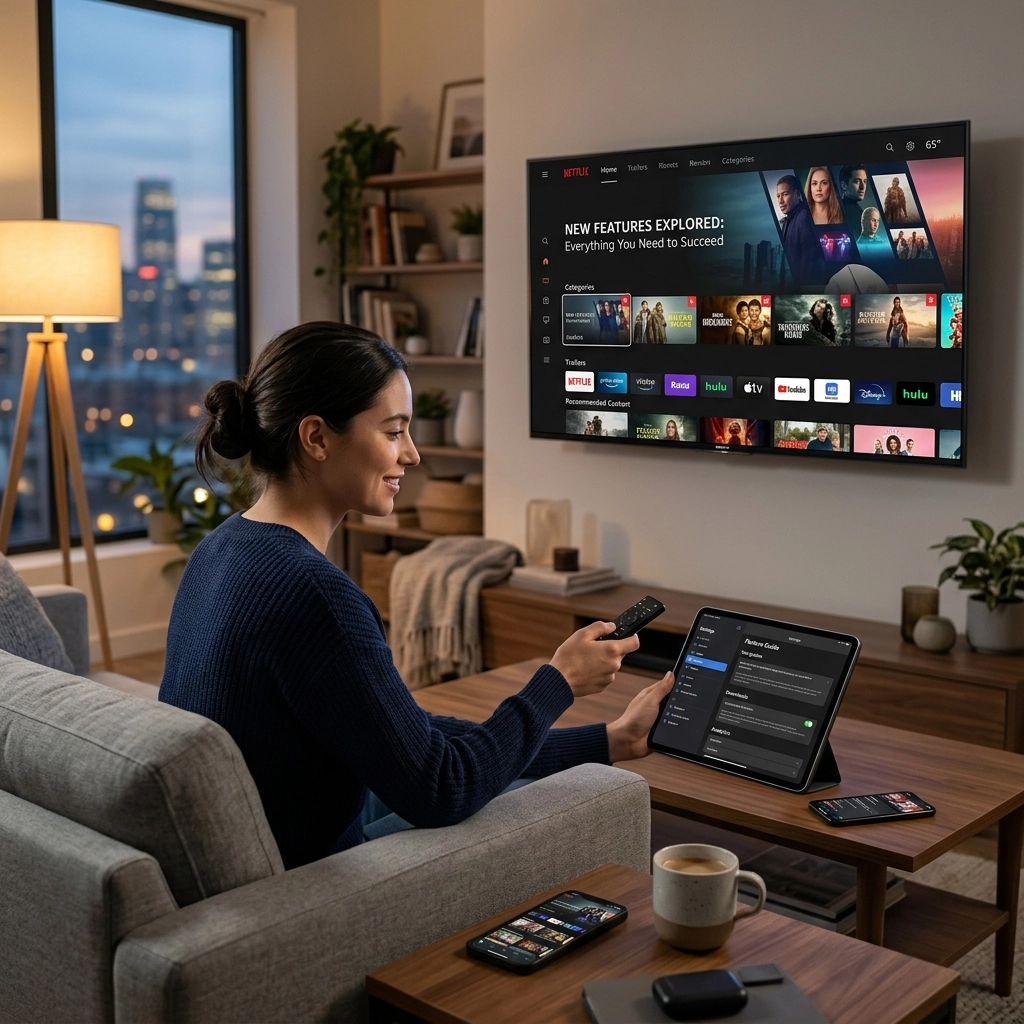
The days of mindlessly scrolling through a grid of movie posters for forty-five minutes just to end up re-watching a show you’ve seen ten times are finally coming to an end. As of April 2026, the streaming landscape has undergone a massive transformation. It’s no longer just about who has the biggest library or the most expensive original series. Today, the battle for your living room is being fought with artificial intelligence, ultra-high-definition sports broadcasting, and interactive features that make your TV feel more like a personal assistant than a glowing box on the wall.
For those of us trying to keep up, the sheer number of updates can feel overwhelming. From Tubi’s conversational AI to Sling TV’s massive storage upgrades, the way we consume media has fundamentally changed. If you want to get the most bang for your buck: and actually enjoy your downtime: you need to understand how these new features work.
The Rise of Conversational AI Discovery
One of the biggest frustrations in streaming has always been the search bar. Traditional search tools require you to know exactly what you’re looking for. If you type in "sad movie with a dog," you might get a few hits, but the results are often hit or miss. Tubi is changing that narrative with the introduction of "Rabbit AI."
This isn't just a basic search filter; it’s a conversational tool powered by natural language processing. Available on their mobile app, Rabbit AI allows you to talk to your streaming service like you would a friend. You can ask things like, "Find me a fast-paced thriller set in Tokyo that doesn't have too much gore," and it will curate a list based on deep metadata rather than just keywords.
Tubi hasn't stopped there. They’ve also rolled out a feature called "Scenes." Think of this as a "TikTok-ified" way to browse movies. You can swipe through short, high-impact video clips of different titles to get a vibe for the cinematography and acting before committing to the full feature. It’s a clever way to solve the "choice paralysis" that plagues modern viewers.
High-Definition Sports and Enhanced Multiview
If you’re a sports fan, 2026 is officially the year the technology caught up with your expectations. For a long time, streaming live sports felt like a step down from traditional cable because of the lag and lower resolution. Sling TV has addressed this head-on by offering sporting events in native 4K in select markets. Most importantly, they aren't charging an extra "tech fee" for this access yet, making it a major play for market share.
In addition to the visual upgrades, cloud DVR storage has become a primary battlefield. Sling expanded its free storage from a measly 10 hours to 50 hours, with a $5 per month option for unlimited recording. For anyone who follows multiple leagues, this is a massive win.
Meanwhile, YouTube TV has refined its Multiview feature. Originally, you were stuck with whatever "quad-box" of games the platform chose for you. Now, subscribers can manually select which four games they want to watch simultaneously. This level of customization, combined with improved 1080p quality for non-4K devices, has made YouTube TV a powerhouse for NFL and NBA fans.
The strategy here is clear: internet marketing and customer acquisition in the streaming world now rely on providing a "premium" feel that justifies the monthly subscription cost.
Exclusive Sports Streams and the ESPN Evolution
Prime Video continues to dominate the "tech-forward" sports niche. Their exclusive "Thursday Night Football" broadcasts now feature "Prime Vision," an AI-powered stream that provides real-time insights and analysis. This includes defensive player tracking, "open receiver" highlights that update as the play unfolds, and predictive stats that tell you the likelihood of a fourth-down conversion before the ball is even snapped. It’s essentially a live video game for football nerds.
Not to be outdone, Disney’s sports behemoth made a massive move following the launch of "ESPN Unlimited" in August 2025. This service has now matured into a one-stop shop for everything from live network channels to integrated fantasy sports. For those on a budget, the "ESPN Select" plan offers a lower-priced alternative that still hits the major highlights, proving that the industry is finally moving toward more flexible, tiered pricing.
The "FAST" Track: Free Ad-Supported Television
While premium services are getting more expensive, the "FAST" (Free Ad-Supported Television) sector is booming. Services like Freestream (by Sling) and Xumo Play (a joint venture between Comcast and Charter) are proving that many viewers are happy to watch a few commercials in exchange for zero monthly fees.
Freestream has set a new industry standard by becoming the first free service to offer a no-cost cloud DVR. Even though it’s capped at 10 hours, the ability to record free content is a game-changer for casual viewers. These platforms now host over 300 channels and tens of thousands of on-demand titles, ranging from classic sitcoms to niche news networks.
The business model here is fascinating. Much like new strategies in affiliate marketing, these platforms use high-volume free content to funnel users toward paid upgrades or targeted advertisements, creating a sustainable ecosystem for budget-conscious streamers.
Interactive TV: Beyond Just Watching
Perhaps the most "futuristic" update comes from TCLtv+. They are pushing the boundaries of what a television interface can do. Imagine watching a cooking show and being able to order the exact ingredients for the recipe with two clicks on your remote.
TCL’s new features include:
- Virtual Chefs: AI personalities that can answer questions about the show you’re watching.
- Live Meal Ordering: Integrated partnerships with delivery apps.
- Dynamic Summaries: If you join a show halfway through, the AI can generate a quick bulleted summary of what you missed.
It’s an interactive approach that turns the TV into an e-commerce hub, blending entertainment with daily utility.
Why It Matters
The rapid evolution of streaming features matters because the "Streaming Wars" have moved into a secondary phase. The first phase was about collecting content; this second phase is about the user experience (UX).
For the consumer, these updates mean more value for the same price: if you know how to use them. For the industry, it's a desperate scramble to reduce "churn" (the rate at which people cancel their subscriptions). By integrating AI search that actually works and offering high-end tech like 4K and Multiview, these platforms are trying to make themselves indispensable parts of our daily lives.
As we move further into 2026, expect these features to become the baseline. The platforms that fail to innovate their tech stack: no matter how many hit shows they have: will likely find themselves left behind as viewers migrate toward services that make finding and watching content as seamless as possible.
Whether you're a sports fanatic looking for the best 4K feed or a movie buff tired of scrolling, the current crop of features offers something for everyone. It’s a great time to be a viewer, provided you're willing to explore the new tools at your fingertips.

Recent Posts
- Major streaming services launch AI search tools and 4K sports to enhance viewer engagement
- Global travel restrictions tighten as nations update entry requirements for international passengers in 2026
- Daily Global News Updates: Entertainment, Tech, Crypto, and More
- Entertainment News Today: The Ultimate Guide to Everything You Need to Know About Cinema
- Apple Releases Critical Security Patch For Global iPhone Users Explained In Under Three Minutes
- Daily Global News Updates: Entertainment, Tech, Crypto, and More
- Apple Intelligence Matters: How New AI Features Are Changing Global Smartphone Technology Standards
- Apple Intelligence Features Explained: Why New AI Tools Will Change Your iPhone Experience
- Daily Global News Updates: Entertainment, Tech, Crypto, and More
- Global Market News: Entertainment Trends, Tech Breakthroughs, and Cryptocurrency Volatility Across the International Stage