
 Business
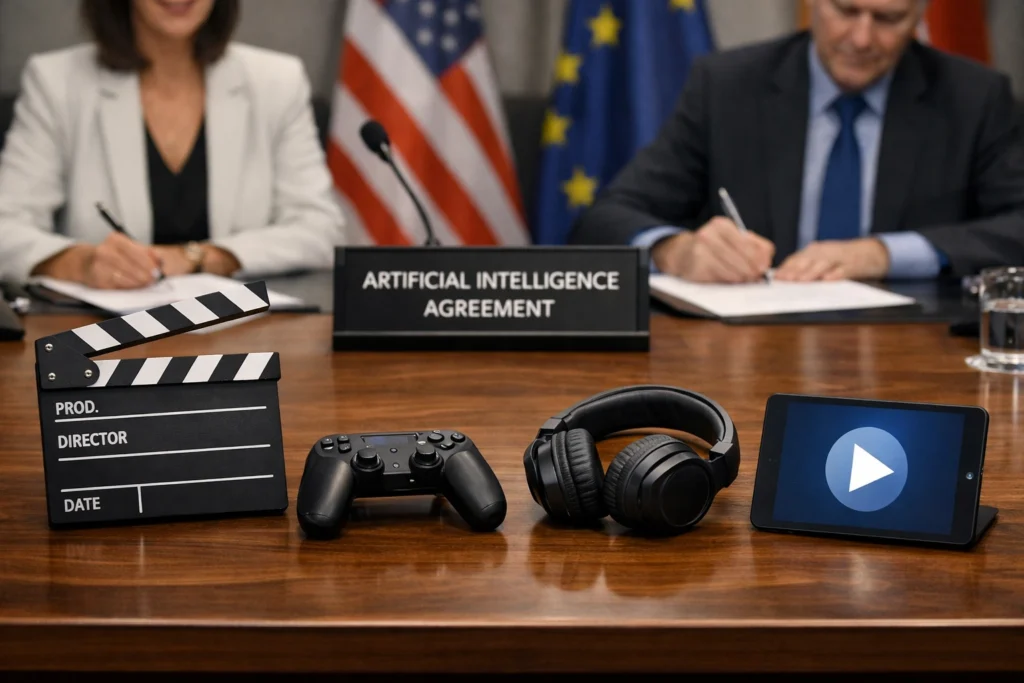
Streaming, Gaming, Music, and Cinema Industries Reach New Global Agreements Regarding Artificial Intelligence

 March 26, 2026
For the last few years, the relationship between the entertainment world and artificial intelligence has felt like a high-stakes standoff. On one side, we had the tech giants pushing for rapid innovation, and on the other, creative industries fighting to protect their intellectual property and the livelihoods of human artists. But as of March 2026, the vibe has officially shifted.
In a landmark series of coordinated announcements, leaders from the streaming, gaming, music, and cinema sectors have finally reached a set of global agreements regarding the use of AI. This isn’t just a "truce": it’s a comprehensive framework that changes how your favorite movies are made, how NPCs in your favorite games talk, and how artists get paid when an AI mimics their voice.
The Music Industry’s New "Pay-As-You-Play" AI Model
The music industry has been the most vocal about AI "scraping," and it looks like their persistence paid off. Major labels, including Universal and Warner, have moved away from trying to ban AI altogether. Instead, they are leaning into a sophisticated licensing model that treats AI companies like radio stations or streaming platforms.
Under the new agreements, music companies have established dedicated AI Rights Divisions. These departments don't just sit around and watch for copyright infringements; they structure deals through "usage-based royalties." This means that instead of an AI company paying a one-time fee to train on a catalog, they pay a recurring royalty every time the AI generates content that references or is influenced by licensed material.
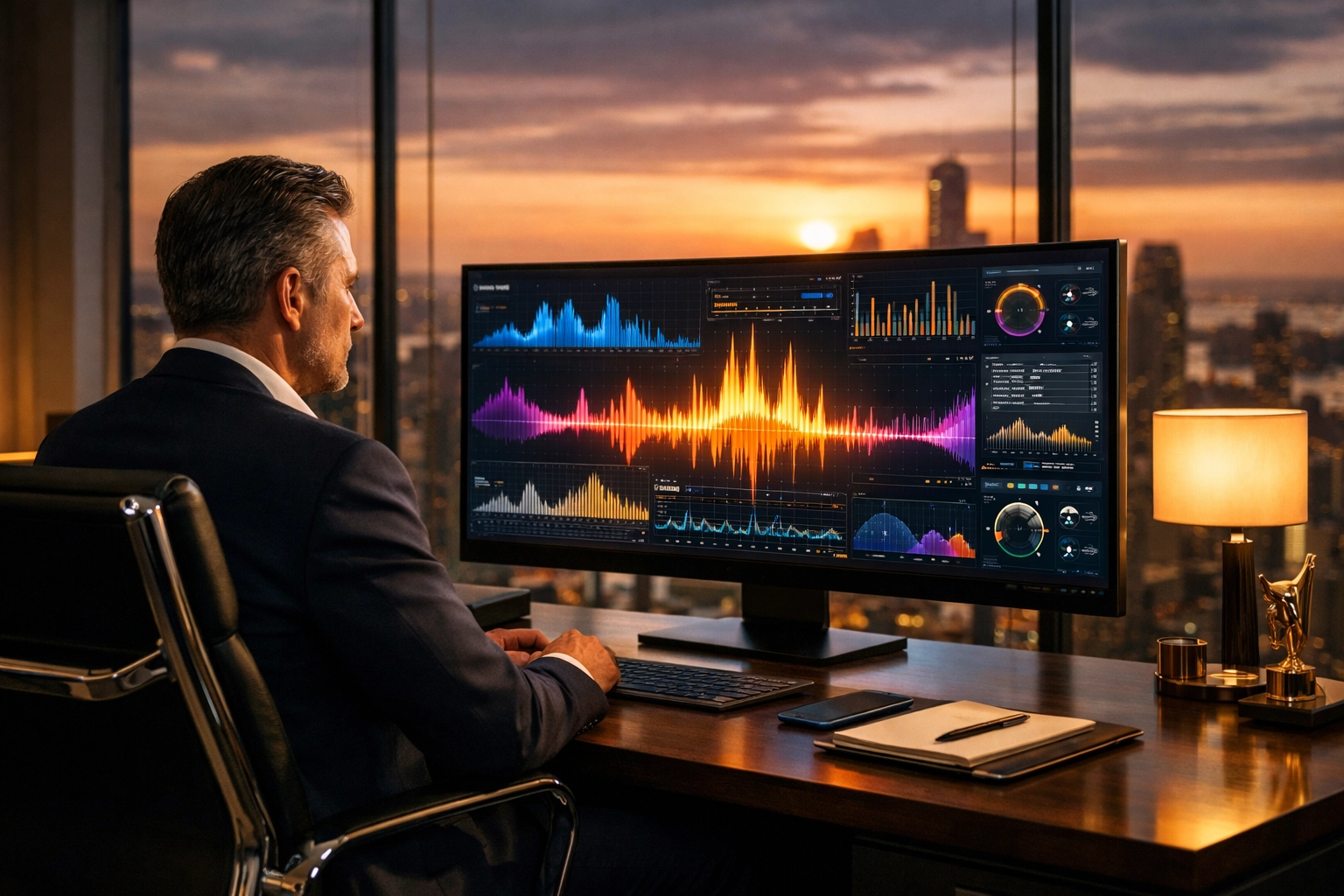
We’re also seeing the rise of "attribution-first economies." Thanks to traceable metadata systems, if an AI-generated track sounds a little too much like a specific artist’s signature style, that artist earns a proportional slice of the revenue. It’s a massive win for creators who were worried about being replaced by "ghost in the machine" versions of themselves.
Cinema and the Disney-OpenAI "Sora" Revolution
Over in Hollywood, the conversation has moved from the picket lines to the production suites. The biggest news comes from Disney, which has officially expanded its partnership with OpenAI’s Sora. This isn't just about making special effects cheaper; it’s about turning Disney’s massive IP library into a "proprietary publishing engine."
The new global agreement allows for the creation of fan-made content using over 200 iconic Disney characters, provided it’s hosted on Disney+ and uses approved AI tools. This effectively turns the "threat" of fan-made AI deepfakes into a sanctioned, monetized ecosystem.
Furthermore, the industry has adopted the standards set by California’s AB 2602 and AB 1836. These laws require explicit consent for creating digital replicas of performers. Whether an actor is alive or deceased, their digital likeness is now treated as a protected asset that requires specific, high-level contracts. If you’re looking for latest world news updates here are ten global headlines you should know, this development is easily the most significant for the future of digital legacy.
Gaming: NPCs Get a Soul (and a Contract)
The gaming industry was perhaps the most "ready" for AI, but even they needed a formal agreement to keep things from getting messy. The new global standards focus heavily on voice acting and procedural world-building.
In the past, a voice actor might record a few hundred lines and then see those lines used to train an AI that could generate thousands more without their consent. Under the 2026 agreements, "digital voice twins" are now subject to union-level protections. Every time a game engine uses an AI-generated line based on a real actor’s performance, that actor gets a micro-payment.
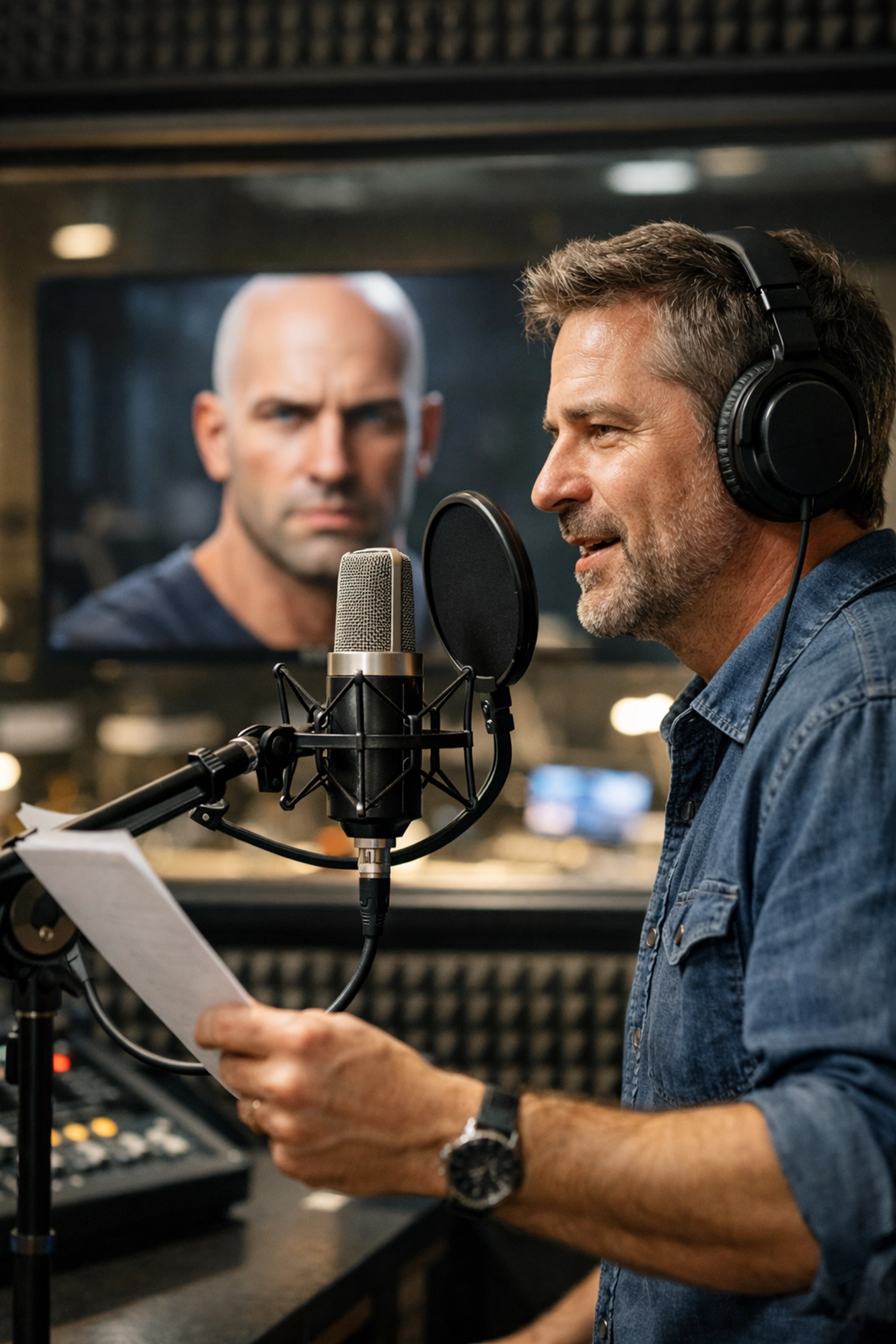
For the players, this means more immersive worlds. We’re looking at NPCs (non-player characters) that can have actual, unscripted conversations with you while still maintaining the "performance quality" of a professional actor. It’s a balance of tech-forward gameplay and ethical labor practices.
Why It Matters
This global consensus is a turning point for several reasons:
- Sustainability for Artists: It moves the conversation from "AI is stealing our jobs" to "AI is a new revenue stream." By ensuring human creators are paid for their "influence" on AI models, the industry creates a path for human-AI co-existence.
- Legal Clarity: For years, tech companies operated in a "gray area." These agreements provide a clear legal roadmap, which will likely lead to even more investment in AI creative tools because the fear of massive lawsuits is finally diminishing.
- Consumer Experience: We’re about to see a flood of high-quality, AI-assisted content that is legally vetted. From personalized music playlists that generate new songs in your favorite artist’s style to interactive movies where you choose the dialogue, the possibilities are opening up.
- Market Stability: As we look at why everyone is talking about 2026 social media marketing trends and you should too, it's clear that the stabilization of AI in entertainment will ripple out into how brands and influencers create content.
The Role of Labor Unions and Global Standards
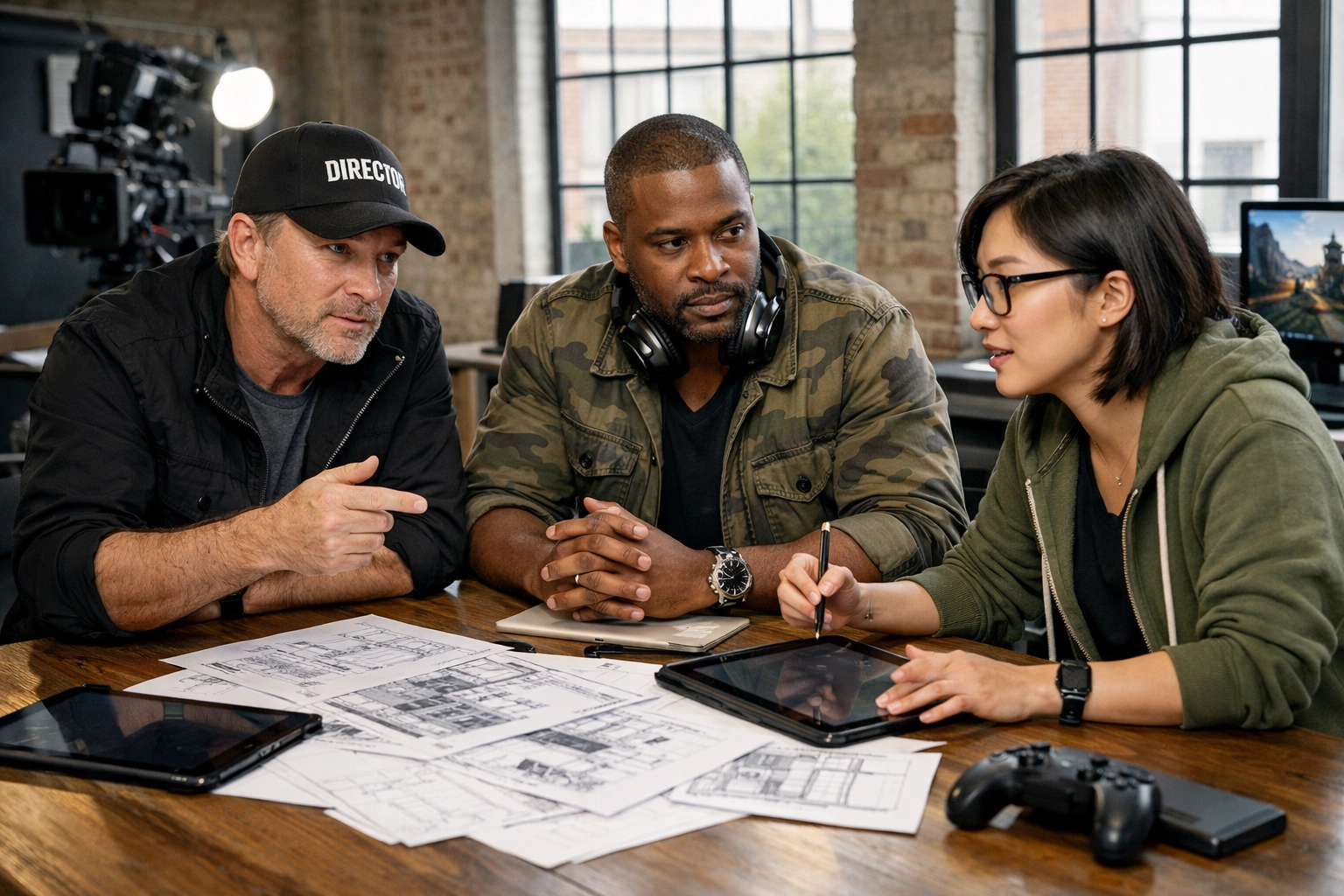
A huge part of why these agreements finally crossed the finish line was the unified front presented by global unions. SAG-AFTRA in the US, along with similar organizations in Europe and Asia, successfully lobbied for "human-in-the-loop" requirements. This means that for any major cinema or gaming release, AI cannot be the "sole creator." A human must have creative control over the final output.
This prevents a scenario where a studio could simply prompt a movie into existence. It keeps the "soul" of the art in human hands while using AI as a super-powered paintbrush.
What’s Next for the "Big Four"?
While these agreements are a massive step forward, they aren't the end of the story. The next hurdle is technical: how do we actually track every single millisecond of AI influence? Companies are already pivoting to blockchain and advanced watermarking to ensure that the royalty checks actually reach the right people.
We are also seeing a shift in how talent is scouted. Agencies are no longer just looking for people who can act or sing; they are looking for people whose "data profile": their voice, their movement, their style: is valuable enough to be licensed to AI developers.
Final Thoughts
The entertainment industry has always been defined by its reaction to new technology. From the introduction of sound in movies to the rise of Napster and the streaming wars, change is the only constant. But this time feels different. Instead of spending a decade fighting the technology in court, the industry has managed to build a fence around it in record time.
By embracing usage-based royalties and strict consent protocols, the "Big Four" (Streaming, Gaming, Music, and Cinema) have ensured that the AI revolution won't be a funeral for human creativity, but rather a very weird, very profitable new chapter.
As we move deeper into 2026, keep an eye on your favorite streaming platforms. The "AI-assisted" tag is about to become a lot more common, but at least now we know the people behind the inspiration are finally getting their cut.

Recent Posts
- Global stock markets rally following positive employment data and cooling inflation figures in April
- London Tokyo Paris and New York Reveal Shared Global Entertainment Industry Growth Strategies
- Daily Global News Updates: Entertainment, Tech, Crypto, and More
- Apple Intelligence Sets New Global Privacy Standards for Artificial Intelligence Software Rollouts
- Top 10 Latest World News Headlines Affecting International Trade And Global Business Markets Today
- Major streaming services launch AI search tools and 4K sports to enhance viewer engagement
- Global travel restrictions tighten as nations update entry requirements for international passengers in 2026
- Daily Global News Updates: Entertainment, Tech, Crypto, and More
- Entertainment News Today: The Ultimate Guide to Everything You Need to Know About Cinema
- Apple Releases Critical Security Patch For Global iPhone Users Explained In Under Three Minutes