
 Business
Are Traditional Cinema Dates Dead? Here’s What’s Trending in Entertainment News Today

 March 22, 2026
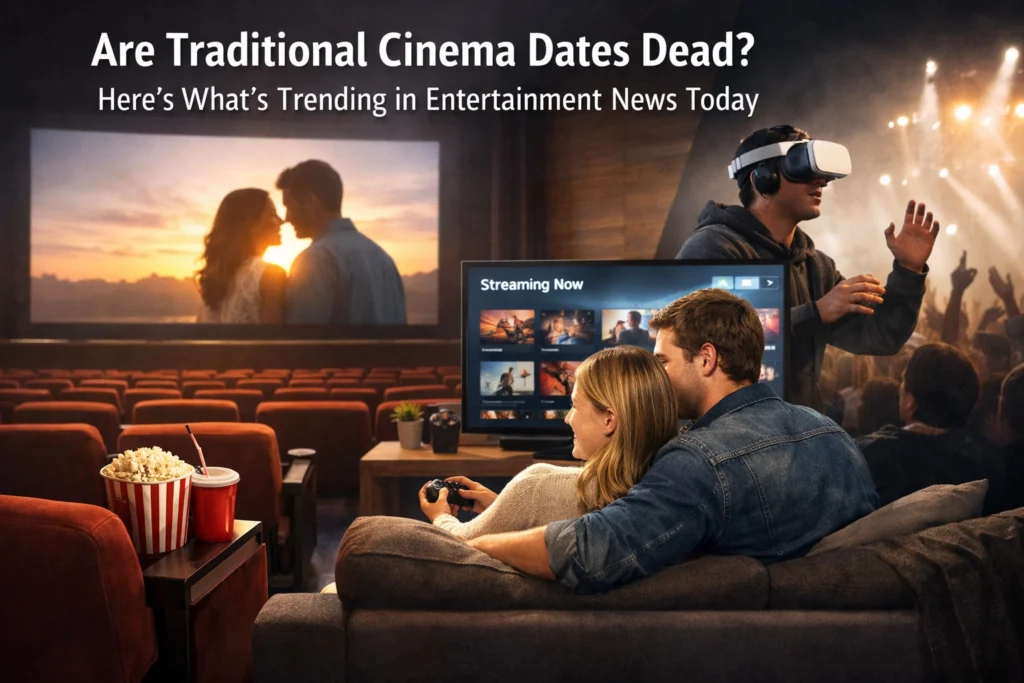
The year is 2026, and the landscape of a typical Friday night has shifted dramatically. Gone are the days when "dinner and a movie" was the undisputed heavyweight champion of the dating world. Today, the flicker of a massive silver screen is being replaced by the glow of ultra-high-definition home setups and personalized streaming marathons.
If you’ve walked past a local multiplex lately and noticed more empty parking spots than usual, you’re not imagining things. The entertainment industry is grappling with a reality that was once unthinkable: the traditional cinema experience is in a state of major contraction. From skyrocketing ticket prices to the lightning-fast transition from theaters to digital platforms, the way we consume stories is changing: and the "cinema date" might just be the latest casualty.
The Shrinking Screen: By the Numbers
To understand where we are, we have to look at how far we’ve fallen. Just a few years ago, the cinema was a communal hub. But according to recent industry data, frequent moviegoers: those dedicated fans who hit the theaters at least once a month: have seen their numbers crater. In 2019, nearly 39% of the population fell into this category. By mid-2025, that number plummeted to a staggering 17%.
It isn't just about fewer people showing up; it’s about the money. While average ticket prices have jumped by roughly 35% over the last decade, overall ticket sales are down nearly 40% from their peak. In 2024, U.S. domestic ticket sales hit $8.75 billion, which sounds like a lot until you realize it’s a 23.5% drop from 2019 levels.
For the average couple looking for a night out, the math simply isn't adding up. Between the tickets, the $15 popcorn, and the overpriced soda, a simple movie date can easily clear $60 before you even consider dinner. Two-thirds of people surveyed recently cited cost as the primary reason they’re skipping the theater. When you can pay for three months of multiple streaming services for the price of one afternoon at the movies, the choice becomes a no-brainer for most households.
The Death of the 90-Day Window
One of the biggest hammers to fall on the theater industry is the collapse of the "theatrical window." It used to be a sacred rule: a movie stayed in theaters for at least 90 days before it even dreamed of a home release. That window has been shattered.
In 2026, the standard exclusivity window has shrunk to a mere 30 to 45 days. In some cases, major blockbusters are hitting premium video-on-demand (PVOD) services in as little as 17 days if they don’t hit certain box-office benchmarks in their opening weekend.
This creates a "wait and see" culture. Why deal with the hassle of a crowded theater, sticky floors, and someone talking in the row behind you when you can watch the same movie in your pajamas just a few weeks later? Streaming has moved from being a secondary release strategy to the primary focus for major studios. As we look at the future of cinema and the integration of AI, the speed at which content is produced and distributed is only going to accelerate, making the traditional theater model feel even more like a relic of the past.
The Pivot to "Event" Entertainment
Theaters aren't going down without a fight, but the "fight" looks a lot different than it used to. Rather than relying on mid-budget dramas or romantic comedies: which have almost entirely migrated to streaming: theater chains are pivoting toward "event-centered" screenings.
We’re talking about:
- Live Concerts: Following the massive success of concert films in recent years, theaters are becoming the go-to venue for fans who couldn't score tickets to the live show.
- Gaming Tournaments: Massive e-sports events are being broadcast on the big screen, tapping into a younger, highly engaged demographic.
- Luxury Experiences: Think heated reclining seats, full-service bars, and gourmet menus delivered to your chair. The goal is to make the theater a "destination" rather than just a place to see a film.
This shift has also changed who is going to the movies. Interestingly, single adults without children now make up 36% of frequent moviegoers, up from 29% pre-pandemic. Meanwhile, the older demographic: adults aged 55 and older: has seen a 6% growth in attendance share. It seems the traditional "family movie night" at the theater is being replaced by "date nights" for those with more disposable income or those seeking a specialized "event" experience.
Celebrity Influence and Relationship Trends
The decline of the cinema date doesn't mean romance is dead; it just means it’s evolving. Celebrities are often the first to showcase these shifts. We see stars opting for more private, curated experiences rather than public outings that are easily tracked by paparazzi.
Even when relationships hit rocky patches or fans seek guidance, the advice has shifted toward quality time and communication rather than just "going out." For instance, Jennifer Garner has been known to console fans with heartfelt relationship advice, emphasizing the importance of the connection itself rather than the venue. Whether you're a Hollywood A-lister or just a couple in the suburbs, the focus in 2026 is on the "vibe" and the exclusivity of the experience.
Executive Pessimism: Is There a 20-Year Future?
If you think the fans are skeptical, you should hear what the suits think. A recent poll of 240 U.S. film industry executives revealed a staggering level of pessimism. Over 55% of those surveyed believe the traditional movie-going experience will no longer be a viable business model by 2045.
Those working in sales, distribution, and production are the most worried. They see the data every day: the cost of marketing a theatrical release is skyrocketing while the returns are becoming less predictable. While theater owners remain somewhat optimistic: mostly because they have to be: the structural changes in how Hollywood operates suggest that the "big screen" might eventually become a niche luxury rather than a mass-market staple.
Why It Matters
The potential "death" of the traditional cinema date matters because it represents a fundamental shift in our cultural social fabric. For nearly a century, the movie theater was the "third place": a spot outside of home and work where people gathered to share a collective emotional experience.
When we lose that, we lose a bit of the communal magic that makes entertainment so powerful. It also changes the types of stories that get told. Studios are less likely to take risks on experimental films if they know they need a "theatrical event" to turn a profit. This leads to a cycle of endless sequels and franchises, potentially stifling creativity in the long run.
However, it’s not all doom and gloom. The rise of home cinema technology and the convenience of streaming mean that high-quality storytelling is more accessible than ever. We are living in a golden age of content; we just happen to be watching it on our couches.
Final Thoughts: The New Era of Entertainment
Are traditional cinema dates dead? Not entirely: but they are on life support. To survive, the industry has to offer something that a 75-inch OLED TV and a DoorDash order can't replicate. It has to be about the experience, the exclusivity, and the event.
As we move further into 2026, expect to see more theaters closing their doors, but also expect the ones that remain to become more luxurious and specialized. The "cheap matinee" is likely gone forever, replaced by the "theatrical experience" that you save for special occasions.
Whether you're keeping up with the latest in crypto markets or tracking the latest Hollywood scandals, one thing is clear: the way we spend our time and money is being redefined. The cinema isn't gone yet, but the "traditional" version we grew up with is definitely in the rearview mirror.
So, next time you’re planning a date, you might find yourself choosing between a VR concert or a curated AI-driven home theater experience. The world is moving fast: don't forget to grab your popcorn, wherever you decide to sit.

Recent Posts
- 7 Mistakes You’re Making with Digital Assets Based on the Latest Crypto News Reports
- The Ultimate Guide to Central Bank Digital Currencies: Everything You Need to Succeed Globally
- Global stock markets rally following positive employment data and cooling inflation figures in April
- London Tokyo Paris and New York Reveal Shared Global Entertainment Industry Growth Strategies
- Daily Global News Updates: Entertainment, Tech, Crypto, and More
- Apple Intelligence Sets New Global Privacy Standards for Artificial Intelligence Software Rollouts
- Top 10 Latest World News Headlines Affecting International Trade And Global Business Markets Today
- Major streaming services launch AI search tools and 4K sports to enhance viewer engagement
- Global travel restrictions tighten as nations update entry requirements for international passengers in 2026
- Daily Global News Updates: Entertainment, Tech, Crypto, and More