
 Business
7 Mistakes You’re Making with Your Streaming Subscriptions (and How to Fix Them)

 March 23, 2026
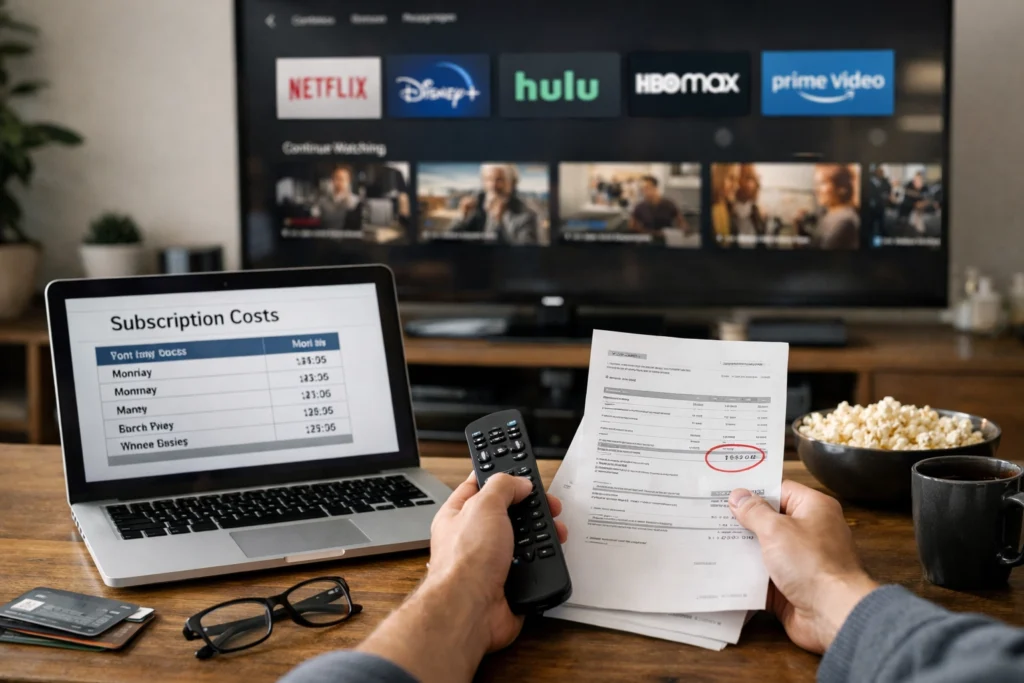
Remember when the whole point of cord-cutting was to save money? A decade ago, we all ditched expensive cable packages for a $7.99 Netflix subscription and felt like we’d hacked the system. Fast forward to Monday, March 23, 2026, and the landscape is unrecognizable. We’re juggling a dozen different logins, dodging "household verification" emails, and somehow spending more than we ever did on cable.
The reality of the streaming world in 2026 is a "death by a thousand cuts" scenario. Between the major players like Netflix, Disney+, and Amazon Prime, and the niche services for sports, horror, or classic cinema, your monthly bill can easily balloon into the triple digits. Most of us are making critical mistakes that drain our bank accounts without adding a single minute of quality entertainment to our lives.
If you feel like you’re paying for a digital library you never visit, it’s time for a subscription audit. Here are the seven biggest mistakes you’re making with your streaming services and exactly how to fix them.
1. The "Gotta Catch 'Em All" Approach
The biggest trap in the modern entertainment era is the fear of missing out (FOMO). Every time a new "must-watch" show drops, whether it’s a high-budget sci-fi epic on Apple TV+ or a viral docuseries on Hulu, we reflexively hit the "Subscribe" button.
Before you know it, you’re paying for six different platforms simultaneously. The problem? You only have a limited amount of free time. If you’re spending your weeknights watching a 10-episode series on HBO Max, your Peacock and Paramount+ subscriptions are essentially donations to giant corporations.
The Fix: Adopt the "Seasonality Strategy." Instead of keeping every service active year-round, subscribe to one or two at a time. Binge the content you want, then cancel and move to the next. Most platforms make it easy to restart your subscription, and you’ll save hundreds of dollars a year by only paying for what you’re actually watching this month.
2. Ignoring the "Sneaky" Price Increases
Streaming companies have become masters of the incremental price hike. What started as a $1 increase every two years has turned into a semi-annual tradition. Netflix has more than doubled its premium tier price since its inception, and Amazon Prime has seen significant jumps in its annual fee.
Because these charges are automated, many users don't even notice the extra few dollars leaving their account until they sit down to do their taxes. By the time you realize your "cheap" habit has become a major expense, you've already lost a significant amount of cash.
The Fix: Audit your bank statement every three months. Don't just look for the name of the service; look at the dollar amount. If a service raises its price and hasn't added enough value to justify the cost, it’s time to cut the cord. You can also improve your productivity by setting a calendar reminder to review your digital overhead.
3. Falling for the Ad-Supported "Value" Trap
In the last couple of years, nearly every major streamer has introduced a cheaper, ad-supported tier. On paper, it looks like a win for your wallet. In reality, it’s a move that undermines the original promise of streaming: uninterrupted, high-quality viewing.
In 2026, these ads aren't just the 30-second clips we remember from TV. They are often louder than the show, poorly timed (cutting off a dramatic scene), and incredibly repetitive. Furthermore, some "budget" tiers actually restrict the library of content you can access or lower the video resolution to 720p.
The Fix: Do the math. If the difference between the "Ad Tier" and the "Premium Tier" is only $5, ask yourself if your time and sanity are worth more than that. Often, it's better to pay for the premium version of one service you love than the ad-supported versions of three services you barely like.
4. The Password Sharing Crackdown Confusion
The days of sharing your ex’s cousin’s Netflix password are officially over. The industry-wide crackdown on password sharing has created a massive headache for users. From "Primary Household" settings to "Extra Member" fees, the rules are confusing and often result in users being locked out of their own accounts while traveling.
Many people are accidentally paying for "Extra Member" slots they aren't using, or they're paying for multiple individual accounts when a family plan would be cheaper.
The Fix: Centralize your accounts. If you’re a family living in multiple locations, look into services that still offer generous family sharing options or "travel codes." Stop trying to circumvent the system with VPNs, as many streamers now flag and shadow-ban accounts that frequently change locations.
5. Failing to Track Free Trials and "Ghost" Subs
We’ve all done it. You sign up for a 7-day free trial to watch a specific movie, promising yourself you’ll cancel it tomorrow. Then life happens, and six months later, you realize you’ve been paying $14.99 a month for a service you haven't opened once.
These "ghost subscriptions" are a goldmine for tech companies. They rely on the "set it and forget it" nature of modern billing. One common horror story involves users paying for music services, fitness apps, and video platforms they haven't touched in over a year.
The Fix: Use a subscription tracking app or a simple spreadsheet. Every time you sign up for a trial, immediately set a "Cancel Subscription" alarm on your phone for 24 hours before the trial ends. Better yet, many services allow you to cancel the trial the moment you sign up while still letting you access the content for the remainder of the week.
6. Tolerating a Terrible User Experience (UX)
Why are we paying premium prices for apps that lag, crash, or have impossible-to-navigate menus? Some streaming platforms have interfaces so cluttered with "recommended" content and auto-playing trailers that it takes twenty minutes just to find your "Continue Watching" list.
If you find yourself spending more time scrolling through a platform’s clunky menu than actually watching movies, you are wasting your most valuable resource: your time.
The Fix: Be ruthless. If an app’s user interface is a nightmare, stop rewarding the company with your money. Vote with your wallet. There are plenty of aggregators and third-party devices (like Apple TV, Roku, or high-end Smart TVs) that can help streamline the experience, but if the native app is garbage, it’s a sign the company isn't prioritizing the user.
7. Not Understanding Content Licensing (The Vanishing Show)
One of the most frustrating aspects of 2026 streaming is that paying for a service doesn't mean you "own" access to the shows. Due to geo-blocking and complex licensing deals, your favorite show might be available on Netflix today and gone tomorrow.
Even worse is "The Great Purge," where streamers remove their own original content to save on residuals and taxes. If you’re staying subscribed to a service just because you "plan to watch" a specific show later, you might find it’s disappeared by the time you get around to it.
The Fix: Check the "Leaving Soon" sections of your favorite apps. If there’s a show you specifically want to see, prioritize it before it hops to another platform. For the shows you truly love and want to re-watch forever, consider buying a digital copy or a physical Blu-ray. It’s a one-time cost that protects you from the whims of corporate licensing.
Why It Matters
The shift from ownership to "subscription-based living" is one of the most significant economic changes of the 21st century. While it offers variety, it also creates a cycle of perpetual debt where we own nothing and pay for everything.
Managing your streaming subscriptions isn't just about saving $20 a month; it's about taking back control of your digital life. In an era where every company wants a recurring piece of your paycheck, being a conscious consumer is the only way to ensure you're getting actual value for your hard-earned money.
The Bottom Line
Streaming was supposed to be the "Great Liberator" of entertainment. To keep it that way, you have to be more proactive than the companies taking your money.
Start your audit today. Look at your apps, check your bank statements, and ask yourself: "Did I actually enjoy this service this month?" If the answer is no, hit that cancel button. You can always come back when the next big hit drops. Your wallet will thank you.
About Clout News
Clout News is a leading Marketing Agency and news portal dedicated to bringing you the latest in Tech, Business, and Entertainment. From the 2026 market trends to celebrity updates, we provide the context you need to stay ahead. For more insights on navigating the digital economy, stay tuned to our daily updates.

Recent Posts
- The Ultimate Guide to Central Bank Digital Currencies: Everything You Need to Succeed Globally
- Global stock markets rally following positive employment data and cooling inflation figures in April
- London Tokyo Paris and New York Reveal Shared Global Entertainment Industry Growth Strategies
- Daily Global News Updates: Entertainment, Tech, Crypto, and More
- Apple Intelligence Sets New Global Privacy Standards for Artificial Intelligence Software Rollouts
- Top 10 Latest World News Headlines Affecting International Trade And Global Business Markets Today
- Major streaming services launch AI search tools and 4K sports to enhance viewer engagement
- Global travel restrictions tighten as nations update entry requirements for international passengers in 2026
- Daily Global News Updates: Entertainment, Tech, Crypto, and More
- Entertainment News Today: The Ultimate Guide to Everything You Need to Know About Cinema